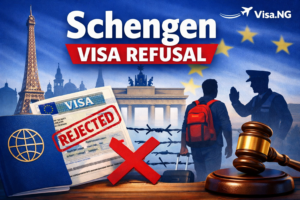
The Schengen visa is one hurdle most Nigerians face when trying to travel to Europe. It has very strict requirements, and many applicants get rejected because they did not properly understand what was needed.
With a clear understanding of what is required, you can improve your chances of approval.
In this article, you will find what a Schengen visa is and its types, the Schengen visa requirements needed to apply, and the necessary documents for the application.
Key Takeaways
- Schengen visa requirements include a passport that is valid for at least six months, travel insurance covering a minimum of €30,000, and proof of financial means and ties to Nigeria, such as a bank statement and employment letter.
- You must apply through the embassy of the country where you will spend the most time or the first country you will enter if the duration is equal.
- The visa application fee is €90 for adults and €45 for children between six and eleven, payable in naira at the VFS Global centre.
- Any history of overstaying, deportation, fraud, or criminal record will disqualify you from being granted a Schengen visa.
- A rejected application can be reapplied for, but only after identifying and properly addressing the reason for the denial.
What is a Schengen visa?
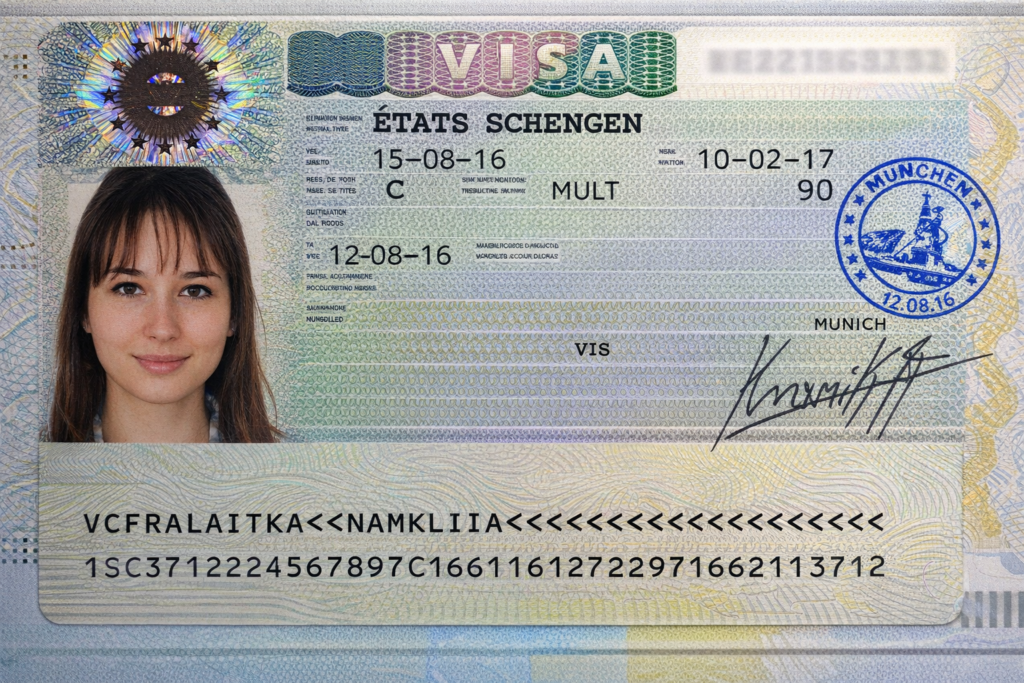
A Schengen visa is an entry permit granted to non-Europeans (Nigerians) to enter a Schengen area for a short period of up to 90 days in any 180 days.
There are 3 types of Schengen visa: Type A for airport transit, Type C for short stay, and Type D for long stay.
The Schengen visa gives you an entry permit to 29 European countries.
What are the Schengen visa requirements?
Anybody applying for a Schengen visa should be able to meet these Schengen visa requirements:
Get your Schengen visa in 2 weeks with no down payment.
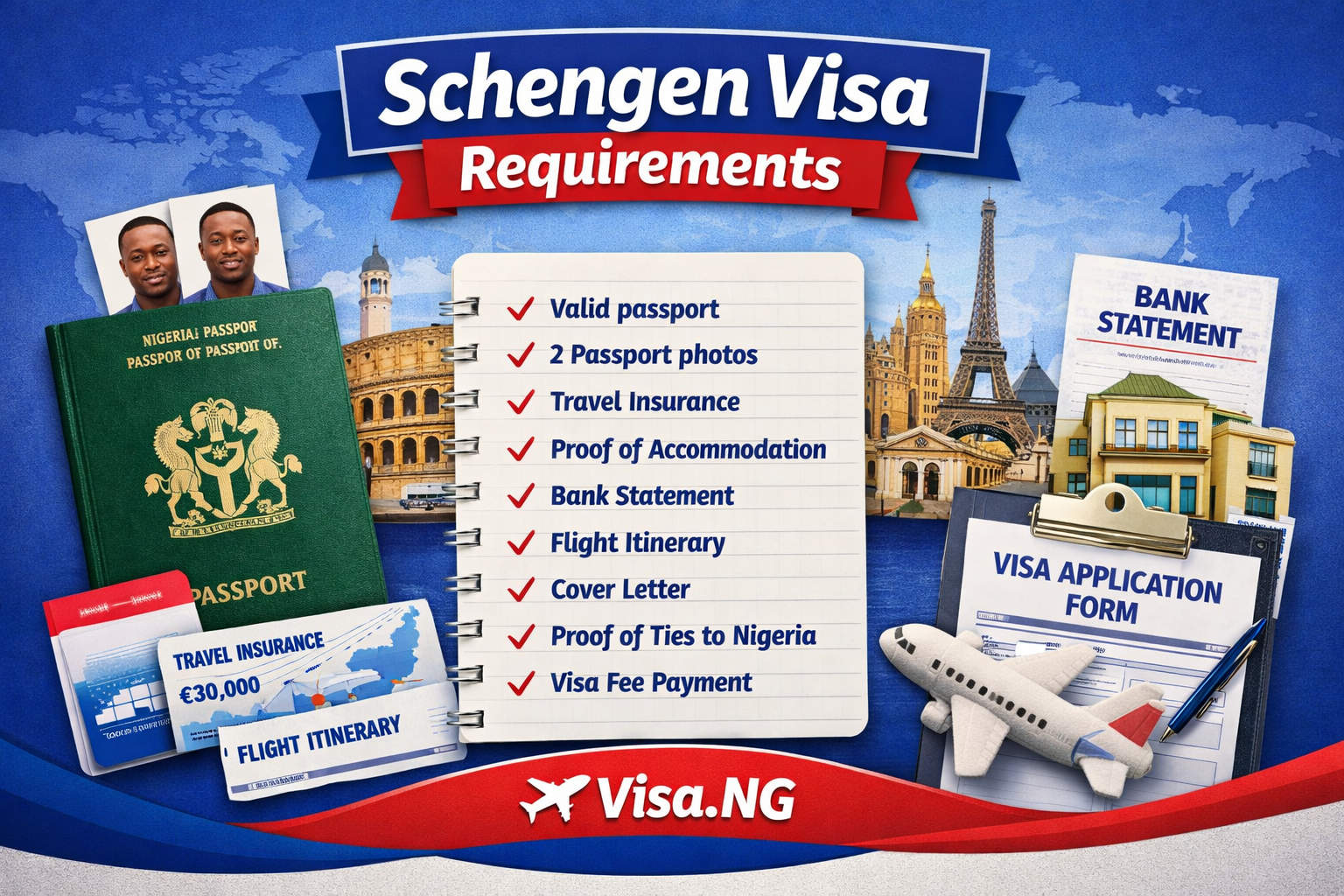
- Valid passport: A valid passport is the first Schengen visa requirements, it must be valid for at least six months beyond the travel date, it must not be damaged or torn, and all pages should be intact. Ensure you have at least two to four blank pages for stamps; a passport issued over 10 years ago is not accepted.
- Application form: The applicant must fill out and sign the Schengen visa application form completely with no blank spaces.
- Recent passport: Two recent biometric photographs with a white background.
- Travel insurance: that is valid for the entire duration of the trip, covering medical emergencies and repatriation with a minimum coverage of €30,000. (When travelling between November and April, winter sports must be included, usually between €10 and €30 per person).
- Proof of accommodation: Hotel bookings, Airbnb reservations, or a letter of invitation from a host.
- Proof of financial means: Bank statement from the last three to six months showing sufficient funds to cover the trip.
- Proof of travel: flight itinerary or dummy flight booking showing entry and exit from the Schengen area.
- Cover letter: A personal letter to the embassy, explaining the purpose of the trip, travel dates, and intended itinerary.
- Proof of employment or ties to Nigeria: This is highly required for a short stay visa, as it shows the embassy that the applicant has a reason to return home. It can be an employment letter, business registration, pension statement for retirees, or school enrollment for students.
- Visa application fee: The total Schengen visa application cost is €90 for adults plus an additional VFS service fee of roughly ₦25,000–₦40,000, and €45 for children between six and eleven. Children under six are exempt.
- Written consent for minors: If traveling without parents, a written, notarized consent from both parents is required.
Note:
Schengen visa requirements may vary slightly depending on which Schengen country’s embassy the applicant is applying through and the type of Schengen visa.
What are the Schengen Visa Security Rules?
For an applicant to be given a Schengen visa, the applicant must meet certain security criteria to ensure compliance with Schengen visa requirements. These security criteria include:
- Not have a record of overstaying a previous Schengen visa, as this is now automatically tracked through the Entry/Exit System (EES).
- Not have a record of using false or fraudulent documents in a previous visa application.
- Not previously banned or deported from the Schengen Area
- Not having a criminal record that raises security concerns in any Schengen member state.
- Not to be flagged for non-admission in the Schengen Information System (SIS).
- Not pose a threat to public order, national security, or the international relations of any Schengen member state.
How to apply for a Schengen visa from Nigeria
The Schengen visa application from Nigeria requires detailed planning and attention. The steps for the application include:
- Choose your Schengen visa destination country and visa type
- Fill out your application form
- Put together the Schengen visa required documents
- Schedule an appointment with VFS Global or your destination country visa booking company.
- Pay visa fees
- Attend Your Appointment and Provide Biometrics
- Wait for your visa processing and collect your passport
Frequently Asked Questions
As of early 2026, the standard application fee for a short-stay Schengen visa (Type C) is €90 for adults and €45 for children between the ages of six and eleven.
Yes, you can freely move between these countries for up to 90 days within any 180 days.
Yes, you can reapply, but not with the same documents. Analyze the reason for denial before reapplying.
Conclusion
A Schengen visa application from Nigeria requires a deep understanding of all requirements and security rules. Following all these requirements religiously increases your chances of visa approval.
Ensure you understand all the Schengen visa requirements before applying or reaching out to experts from Visa.NG to assist you.