One of the most common Canada visitor visa refusal reasons for Nigerians is failing to convince the Canadian immigration officer that you will leave Canada at the end of your stay.
These refusals also frequently occur due to incomplete visa applications, insufficient supporting documents, lack of funds, or weak proof of ties to your home country. The good news is that most of these reasons for Canada visa refusal are fixable.
In this article, we will understand the most common Canada visitor visa refusal reasons and how to increase your chances of success.
Key takeaways
- The Canada visitor visa (TRV) allows Nigerians to enter and stay in Canada temporarily for tourism, business, or family visits.
- Common Canada refusal reasons include unclear travel purpose, insufficient funds, weak ties to Nigeria, limited travel history, incomplete documentation, and misrepresentation.
- You must prove strong ties to Nigeria through employment, family, property, or business to show you will return home.
- Provide 6 months of bank statements with steady income and avoid sudden, unexplained deposits before applying.
- If your visa application gets refused, read your refusal letter carefully, request GCMS notes to understand the officer’s concerns, fix the issues, and reapply with stronger documentation.
- Never provide false information during your visa application, because misrepresentation can lead to a 5-year ban from Canada.
A Canada visitor visa, also called a Temporary Resident Visa (TRV), is a document attached to your passport that allows you to gain entrance into Canada and stay there for a short period of time.
Some Nigerians travel to Canada to do business, explore Canada’s vast, beautiful landscapes, and visit family and friends.
Before you get your TRV, you have to go through an application process in which you are not 100% guaranteed that you will get the visa due to some reasons.
Top Canada visitor visa refusal reasons (and what to do)
Here are the top Canada visitor visa refusal reasons.
-
The purpose of travel is unclear or weak
Canadian visa officers need to understand why you are visiting Canada, and they need to believe your reason is true and worthy enough for you to be in Canada for a period of time.
If your explanation is not clear, contradictory, or unsupported by documents, the officer may suspect hidden intentions and refuse your visa.
Common visa application mistakes that lead to an unclear purpose of travel include
- Incomplete or conflicting information across your visa application and supporting documents.
- Travelling for generic purposes like “tourism” or “visiting friends” without a detailed plan, itinerary, or invitation letter.
- Differences between your travel purpose and the documents you submitted.
- Missing purpose of travel evidence, such as invitation letters, travel plans, or event details.
What you may see in your Canada visitor visa refusal letter:
“The purpose of your visit to Canada is not consistent with a temporary stay, given the details you have provided in your application.”
How to fix the unclear purpose of the travel Canada visitor refusal reason
- Provide a day-by-day itinerary (dates, cities, activities, who you’ll visit, conference schedule).
- Define your travel purpose clearly: Specify exactly why you are visiting Canada, whether for tourism, business, studies, visiting family or friends, or attending an event.
- Add proof of events: invitation letter, conference registration ( A proof that shows you are already registered for that event), paid receipt, or meeting confirmations.
- For tourism: show hotel reservations, tour bookings, and a planned route (don’t buy non-refundable tickets before approval).
- If visiting family/friends: include a detailed invitation letter(there is an example on how the person inviting you should write the letter towards the end of this article),+ inviter’s status in Canada (PR card/citizenship card, study/work permit), recent pay slips or bank statements, and a lease/utility bill which is used to know his/her house address.
Tip:
Think of your application as a story. Your documents are the supporting evidence. The clearer and more coherent your story, the higher your chances of approval.
-
Insufficient or non-credible proof of funds
Being able to pay for your travel expenses is an important requirement to get your Canada visa approved. You must be able to prove to the visa officer that you have access to sufficient funds to pay for your return ticket back to Nigeria and living expenses while you are in Canada.
Common visa application mistakes that lead to insufficient or non-credible proof of funds refusal reasons
- Including old or irrelevant bank statements that don’t reflect your current financial situation.
- Having large, unexplained deposits made to your account just before applying for your visa raises doubts about the source of funds.
- Having insufficient closing balances to cover your stay, tuition, or travel expenses.
- Lack of consistent income or irregular account activity suggests unstable finances.
- Not including supporting evidence, such as employment letters, payslips, or tax returns.
What you may see in your Canada visitor visa refusal letter:
- “I am not satisfied that you will leave Canada at the end of your stay based on your personal assets and financial status.”
- “Your assets and financial situation are insufficient to support the stated purpose of travel for yourself (and any accompanying family member(s), if applicable).”
How to fix the insufficient or non-credible proof of funds refusal reason:
- Show 6 months of personal bank statements with steady income as proof of funds, and avoid sudden, unexplained deposits.
- If someone is sponsoring you: include a sponsorship letter, the sponsor’s bank statements (6 months), employment or business proof, and evidence of relationship (birth/marriage certificates, photos).
- Provide a trip budget table in your cover letter (see example below) and make sure the funds shown reasonably cover it.
- Add tuition/employment obligations in Nigeria to reinforce that you can afford the trip and have reasons to come back.
Tip:
Combine multiple types of financial proof, such as bank statements, payslips, tax returns, and property ownership documents, for a stronger case. It’s not just about showing money; it’s about proving financial stability and reliability.
-
Weak ties to Nigeria (home ties)
One of the most common Canada visitor visa refusal reasons is the low possibility of returning to Nigeria at the expiration of your visa period.
If you don’t have strong ties to Nigeria, like a dependent family, employment, or real estate to maintain, the visa officer may be concerned you won’t return to Nigeria, and may not grant you the visa.
Common visa application mistakes that lead to weak ties to Nigeria refusal reason include
- Not providing documentation proving stable employment, ongoing education, or active business engagement.
- Minimal to no documents showing family ties or social connections in Nigeria.
- Including unclear or incomplete personal background information.
- Not including proof of property, financial commitments, or long-term responsibilities.
What you may see in your Canada visitor visa refusal letter:
- “I am not satisfied that you will leave Canada at the end of your stay, based on your family ties in Canada and in your country of residence.”
- “You do not have significant family ties outside Canada.”
- “I am not satisfied that you will leave Canada at the end of your stay based on your family ties in Canada and in your country of residence.”
How to fix the weak ties to Nigeria’s refusal reason:
- Employment: Include an employment letter stating your role in the company or firm you are working in, salary, approved leave dates, and resumption date + last 3–6 pay slips + staff ID.
- Self-employed: Include CAC documents, business bank statements, tax evidence, and client contracts/invoices.
- Students: School letter confirming enrollment and resumption date.
- Family: Marriage certificate; children’s birth certificates and school enrollment receipts.
- Assets: Property deeds, land documents, and valid tenancy agreements.
- Community/Professional ties: Association memberships, responsibilities you must return to.
Tip:
Combine different types of ties for a well-rounded application. For example, show employment proof along with property ownership and family documents to create a convincing narrative of stability and responsibility.
-
Limited travel history
Nigerians who have been previously refused a visitor visa to another country or who have overstayed previous visas are at risk of being refused a Canadian Visitor Visa.
Alternatively, Nigerians who have not previously travelled outside Nigeria, or have travelled very rarely, may be refused a visitor visa. This is because applicants have not established a clear pattern of returning to their home country at the end of an authorized stay.
Common red flags that trigger a limited travel history Canada visitor visa refusal include:
- No prior international travel, especially for first-time travellers to Canada.
- Past visa refusals that are unexplained or undocumented.
- Previous overstays, deportations, or violations in other countries.
- Frequent short-term trips without a clear purpose or ties.
What you may see in your Canada visitor visa refusal letter:
- “Travel history is not sufficient to count as a positive factor.”
- “I am not satisfied that you will leave Canada at the end of your stay based on your travel history.”
How to fix the limited travel visa refusal reason:
Travel history helps, but is not mandatory. If you lack it, do these;
- You should replace it with strong purpose documents, robust ties, and clear finances.
- If you have previously travelled to countries (e.g., UK, Schengen, UAE), stuck to rules, and left the country before your visa expires, you should include the visas and entry/exit stamps to show that you can be trusted.
Tip:
Use your cover letter to tell a coherent story about your travel history, emphasising responsible trips, adherence to visa conditions, and strong ties to your home country.
-
Misrepresentation: submitting false information (serious!)
Misrepresentation is a common reason for Canada visitor visa refusals. It does not matter whether the misrepresentation was intentional or unintentional.
If you provide false or misleading information, your application may be refused.
Solutions to Overcome the Misrepresentation Issue
- Provide accurate, truthful, and detailed information in your application.
- Review all forms and documents carefully to ensure correctness and accuracy.
- Seek guidance from an authorized immigration consultant.
- Disclose any history of visa refusals, overstays, or related issues.
- Avoid unlicensed representatives.
Note:
Never formulate; misrepresentation can lead to long bans from Canada. If you made an honest mistake previously, explain and correct it clearly.
Important!
Not disclosing prior visa refusals or not mentioning your history of overstaying a visa is considered misrepresentation and can result in a visa denial and a ban from entering Canada for five years.
-
Incomplete or Inaccurate Documentation
One of the most common reasons for Canada visitor visa rejection is incomplete or inaccurate documentation. The Immigration, Refugees and Citizenship Canada (IRCC) follows strict documentation standards, and even small errors or omissions can lead to suspicion.
Missing forms, mismatched details, or outdated paperwork can make your application appear careless or misleading, two qualities that instantly weaken your credibility.
Common issues include:
- Mismatched names, passport numbers, or dates across documents.
- Missing signatures on application forms or declarations.
- Using outdated forms downloaded from unofficial sources.
- Omitting mandatory documents like bank statements, employment proof, or sponsorship letters.
- Submitting unclear, incorrectly formatted, or illegible copies that make verification difficult.
How to prevent incomplete or inaccurate documentation:
- Review carefully: Go through every form line by line to ensure all information matches your passport and supporting documents.
- Use official sources: Always download the latest forms directly from the Government of Canada’s website.
- Follow the checklist order: Arrange your paperwork exactly as per the visa checklist to make evaluation easy for officers.
- Cross-check everything: Attach a copy of your own document checklist and tick off each item as you go.
It is important to pay close attention to your application and make sure that you understand the required forms and documents.
Tip:
Ask a trusted reviewer or visa consultant to proofread your entire file before submission. A second pair of eyes can often catch small errors that you might miss.
-
Criminality, Security, or Medical Concerns
Criminality: If you have past records of being involved in criminal activities of any kind, it reduces your chances of getting your visa approved.
Insecurity: If you had anything to do with any group that is known for being a terrorist or posing harm, your chances of getting a Canadian visitor visa are slimmer.
Medical concerns: If you have a contagious disease, such as tuberculosis. The visa officer would most likely refuse your visa.
Common mistakes that trigger Canadian visitor visa refusal based on criminality or medical concerns:
- Submitting incomplete or missing medical examinations conducted by a physician not authorised by IRCC.
- Concealing past criminal records, offences, or pending legal cases.
- Failure to provide police clearance certificates when required.
- Existing medical conditions that have not been disclosed or evaluated through official channels.
How to prevent canada visitor visa refusal due to criminality or medical concerns
- Complete the medical exam through a Canada government-approved physician.
- Disclose all legal and criminal history honestly.
- Address all your health conditions proactively
By meeting all health and security requirements through proper documentation and transparency, you demonstrate compliance with Canadian immigration standards and reduce the risk of refusal.
Tip:
Never attempt to bypass medical or police checks. Full disclosure and verified documentation are essential to maintain credibility and protect your chances of visa approval.
-
Previous refusal reasons not addressed
If you reapply for a Canadian visitor visa without fixing the reason your visa was refused previously, your visa application will be rejected again.
What you may see in your Canada visitor visa refusal letter:
“You have not satisfied me that the circumstances of your application have changed.”
How to fix:
Do not reapply in the exact same way; address each refusal reason directly in a re-application cover letter.
Consider requesting GCMS notes to see the officer’s detailed concerns, then rebuild your case around those points.
What to Do If Your Canadian Visa Is Rejected?
A Canadian visa refusal can feel discouraging, but it does not mean the end of your journey. With careful analysis and preparation, you can improve your chances of approval on your next application.
- Read the refusal letter thoroughly to identify and understand the reasons why your visa application was rejected.
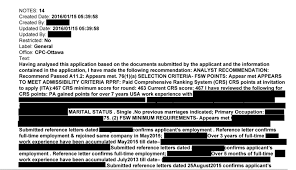
- Request GCMS Notes. The Global Case Management System (GCMS) notes provide a detailed record of the visa officer’s assessment of your application.
- Identify and address the Issues. Correct your documents’ inaccuracies, gather more evidence in the form of documents, and improve your cover letter or statement of purpose.
- Seek Expert Guidance. Get professional visa application help.
- Reapply. Ensure you have fixed all the pending issues before reapplying for a Canadian visitor visa.
What are GCMS notes?
GCMS notes are the official internal records written by Canadian visa officers that explain how and why a visa decision was made.
How to structure a strong Canada visitor visa application (step-by-step)
- Write a focused cover letter (1–2 pages)
Use headings when writing your cover letter and ensure you include only accurate information.
Guidelines on how to write a good cover letter
- Purpose & dates: Who you’re visiting / sightseeing plan/conference (include dates and cities).
- Itinerary: Day-by-day summary (e.g., Day 1–3 Toronto; Day 4–6 Ottawa; Day 7–9 Montreal).
- Funding: Who pays what. Add a trip budget table (below).
- Employment/Business ties: Role, employer, leave approved, resumption date; or CAC + clients + tax for entrepreneurs.
- Family & assets ties: Spouse/children/parents, property.
- Travel history & compliance: Prior visas and returns (if any).
- Previous refusal (if applicable): Write each reason and show how you fixed it.
- Contact details and a concise document index.
Trip budget (example to paste)
Item | Cost (₦ / C$) | Notes |
Flights (return) | Reservation only (no purchase yet) | |
Accommodation (9 nights) | Hotel bookings attached | |
In-country transport | Airport transfers + intercity | |
Meals & incidentals | Per-diem estimate | |
Event/Conference fee (if any) | Receipt attached | |
Total Estimated | Funds shown: ₦ / C$ |
Documents to attach (per scenario)
These are the various documents to include for different Canadian visitor visa scenarios.
Documents to attach when applying for a tourist visa
- Cover letter + itinerary
- Hotel reservations (do make payment for bookings that are unrefundable)
- Proof of funds (6 months bank statement from a recognised bank)
- Employment letter + leave approval + pay slips (or business proofs)
- Property/asset docs (houses or land properties serve as proof to the visa that you have a reason to return to your country.)
- Travel insurance (optional but helpful)
Documents to attach when applying for a visa to visit family/friends
- Cover letter + itinerary
- Hotel reservations (do make payment for bookings that are unrefundable)
- Proof of funds (6 months bank statement from a recognised bank)
- Employment letter + leave approval + pay slips (or business proofs)
- Property/asset docs (houses or land properties serve as proof to the visa that you have a reason to return to your country.)
- Travel insurance (optional but helpful)
- Invitation letter with relationship, visit dates, where you will stay, and who pays for what, Inviter’s status in Canada (PR/citizenship card or valid permit), pay slips, and lease/utility bill
Documents to attach when applying for a visa to attend a Business/Conference
- Conference registration/agenda, receipt: This is evidence that
- Employer letter stating the purpose of the trip and costs covered
- Company bank statements (if the company is paying)
Simple invitation letter Example (for family/friends)
From the inviter in Canada (edit and print):
[Inviter’s Full Name], [Status in Canada: PR/Citizen/Permit Holder]
[Canadian Address]
[Phone] [Email]
[Date]
To: Visa Officer
Re: Invitation for [Applicant’s Full Name, Passport No. XXX] to visit me in [City], Canada from [Date] to [Date].
I am [relationship]. [Applicant] will stay at my residence above. We plan to visit [cities/attractions].
I will/ will not (choose) cover accommodation and local transport. Attached are my PR/citizenship/permit, recent pay slips, and lease/utility bill.
[Applicant] will return to Nigeria by [date] to resume [work/school]. Please contact me if you need any information.
Sincerely,
[Signature]
Frequently asked Questions
You can reapply immediately after a refusal. Review the refusal letter to understand why your application was denied, address those specific issues, and submit a new application with stronger supporting documents. There’s no waiting period required between applications.
Read your refusal letter carefully to identify the grounds for rejection. Gather additional documentation that addresses these concerns, such as proof of stronger ties to your home country, improved financial statements, or clearer travel plans. Then submit a fresh application or request reconsideration if you believe there was an error.
A rejection isn’t permanent. You can reapply once you’ve strengthened your application by addressing the refusal reasons. Common fixes include providing better proof of funds, demonstrating stronger home country ties, or clarifying your travel purpose with detailed itineraries and supporting letters.
Submit complete, honest applications with strong documentation showing ties to your home country (job, property, family), sufficient funds for your trip and return, clear travel purpose, and no immigration intent. Ensure all forms are accurate, translations are certified, and supporting documents are current and verifiable.
No, there’s no formal appeal process for visitor visa refusals. However, you can request reconsideration through the visa office if you believe an error was made, or simply reapply with a stronger application addressing the refusal reasons.
Common reasons include insufficient proof of funds, weak ties to Nigeria, unclear travel purpose, previous immigration violations, incomplete documentation, criminal inadmissibility, health concerns, or doubts about your intention to leave Canada after your visit.
Visitor visas are typically rejected when officers aren’t convinced you will return home. This happens due to inadequate financial proof, lack of employment or family ties in your home country, inconsistencies in your application, or failure to demonstrate the temporary nature of your visit.
CONCLUSION
There are some recent 2025 policy changes in Canada, which are aimed at reducing the number of visitors in their country to at least 5% so; as such, there have been some changes in their immigration system.
Visa Officers don’t just assess you with the documents you provide. Your reason for traveling must be logical in relation to what your documents say about you. For example, if you claim to be a high-earning individual but your bank statement says otherwise, your visa won’t be approved.
If you are reapplying for your visa for the second time, don’t submit exactly the same information you submitted before. Request your GCMS (Global Case Management System) notes to see the officer’s actual handwritten concerns, so as not to make the same mistakes and get refused again. You can also request the help of a reliable visa agent in Lagos.